I may earn a commission at no extra cost to you. #ad
How to Pair Premium Cocoa Strips with Coffee and Wine: A Free Expert Guide
Jump to Section
Gourmet cocoa strips are more than just a snack; they are a concentrated delivery system for complex cacao polyphenols and nuanced flavor notes. Because of their unique flat geometry and high surface area, cocoa strips melt differently than traditional chocolate bars, releasing their aromatic compounds with precision. To truly unlock the potential of these premium treats, one must look toward the world of beverage pairing.
Whether you are starting your morning with a pour-over or winding down your evening with a bold red, the right liquid companion can amplify the hidden notes of vanilla, tobacco, citrus, or earth found within high-quality cacao. In this guide, we will explore the science and soul of pairing cocoa strips with coffee and wine.
Understanding the Flavor Profile of Cocoa Strips
Before you reach for a bottle or a kettle, you must understand what you are tasting. Premium cocoa strips typically fall into several flavor categories based on their origin and processing:
- Earthy & Nutty: Often found in West African beans, these strips have deep, base-heavy notes that resemble roasted peanuts or damp earth.
- Fruity & Acidic: Common in beans from Madagascar or Peru, these strips might remind you of red berries, citrus zest, or even green apples.
- Floral & Herbal: Rare Ecuadorian beans can produce strips with hints of jasmine, lavender, or dried herbs.
- Spicy & Smoky: Intense roasting or specific fermentation styles can introduce notes of cinnamon, clove, or leather.
Identifying these primary notes allows you to choose a beverage that either complements (matches) or contrasts (balances) these flavors.
Coffee and Cocoa Strips: The Perfect Morning Ritual
Coffee and cacao are siblings in the botanical world; both are tropical seeds that undergo fermentation, drying, and roasting. This shared lineage makes them natural partners. The heat of the coffee is the primary catalyst here—it lowers the viscosity of the cocoa fats, allowing the flavor to wash over your taste buds instantly.
The Espresso Pairing: An intense, syrupy espresso requires a bold, 80%+ dark cocoa strip. The crema of the espresso acts as a bridge, blending the bitterness of the coffee with the rich fats of the cacao. Look for strips with nutty undertones to ground the bright acidity of the coffee.
The Pour-Over Pairing: Light roast coffees, such as those from Ethiopia, are tea-like and floral. Pair these with fruit-forward cocoa strips. The goal here is a "synergy of acidity," where the berry notes in the coffee brighten the berry notes in the cocoa.
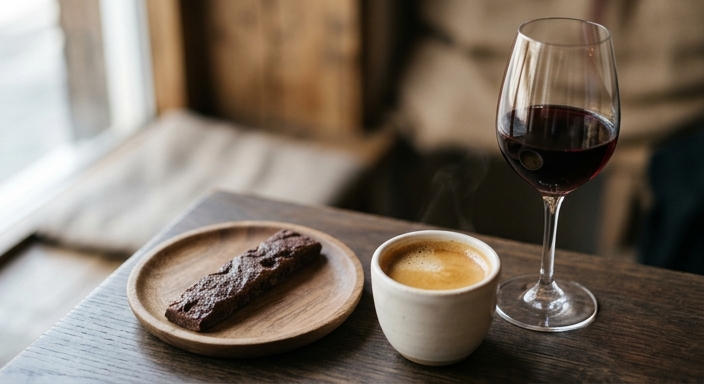
The Creamy Contrast: If you enjoy a latte or flat white, the milk sugars (lactose) provide a sweet canvas. A slightly sweeter cocoa strip (around 60% cacao) can harmonize with the milk, creating a taste profile similar to a high-end mocha but with much more depth.
Wine and Cocoa Strips: Elevating the Evening Experience
Wine pairing is a bit more complex because of tannins. Both red wine and dark cacao are high in tannins, which can sometimes lead to an overly astringent "pucker" feeling in the mouth if not balanced correctly. The secret is to ensure the wine is at least as sweet—or as fruit-dense—as the cocoa strip.
- Cabernet Sauvignon: This high-tannin wine pairs beautifully with intense, earthy strips. The dark fruit notes of the wine (blackberry, plum) fill in the gaps of the cacao's bitterness.
- Syrah/Shiraz: Known for peppery and smoky notes, Syrah is the ideal match for cocoa strips that have a spicy or savory profile.
- Port and Sherry: These fortified wines are the "cheat code" for chocolate pairing. The high sugar content and oxidation in a Tawny Port wrap around the bitterness of a cocoa strip like a warm blanket. This is the recommended starting point for beginners.
- Zinfandel: Because of its "jammy" and high-alcohol nature, Zinfandel can stand up to cocoa strips infused with sea salt or chili.
Step-by-Step Guide to a Professional Tasting Session
To experience the full spectrum of flavors, follow this professional "interleaved" tasting method:
- Cleanse: Drink a sip of room-temperature sparkling water to reset your palate.
- The Snap: Break a small piece of the cocoa strip. Listen for a sharp "snap"—this indicates well-tempered cacao.
- The Aroma: Rub the strip slightly between your fingers to warm it, then inhale. What do you smell? Fruit? Smoke?
- The Melt: Place the strip on your tongue. Do not chew. Let the heat of your mouth dissolve the strip. Note how the flavor changes from the initial "top notes" to the "base notes."
- The Sip: While the cacao is still coating your palate, take a small sip of your coffee or wine. Let the liquid swirl with the melted cocoa.
- The Finish: Notice the aftertaste. Does the beverage make the chocolate taste sweeter? Does the chocolate reveal a hidden fruitiness in the wine?
Common Mistakes to Avoid in Pairing
Even the finest ingredients can clash if not respected. Avoid these common pitfalls:
- Ice Cold Drinks: Drinking ice-cold wine or water will shock your palate and solidify the cocoa fats instantly, leadenly coating your tongue and masking the flavor.
- Over-Sweetening: If your coffee is loaded with sugar and syrup, it will make even the most premium cocoa strip taste unpleasantly bitter by comparison.
- Ignoring Texture: Cocoa strips are valued for their thinness. Don't stack five of them together; the beauty lies in the delicate, rapid melt of a single strip.
Frequently Asked Questions (FAQ)
Should I eat the cocoa strip before or after taking a sip of wine?
For the best experience, allow a small piece of the cocoa strip to melt on your tongue first to coat the palate, then take a sip of wine to see how the flavors interact.
Which coffee roast pairs best with dark cocoa strips?
Medium to dark roasts generally pair best as they share similar smoky, nutty, or chocolatey undertones, though a fruity light roast can provide a fascinating contrast.
Can white wine be paired with premium cocoa strips?
While difficult, it is possible. Sweet dessert wines like Sauternes or a heavily oaked Chardonnay can complement strips with higher milk content or fruit infusions.
Does the temperature of the coffee affect the pairing?
Yes. Hot coffee accelerates the melting process of the cocoa strip, releasing volatile aromas more quickly than cold brew would.